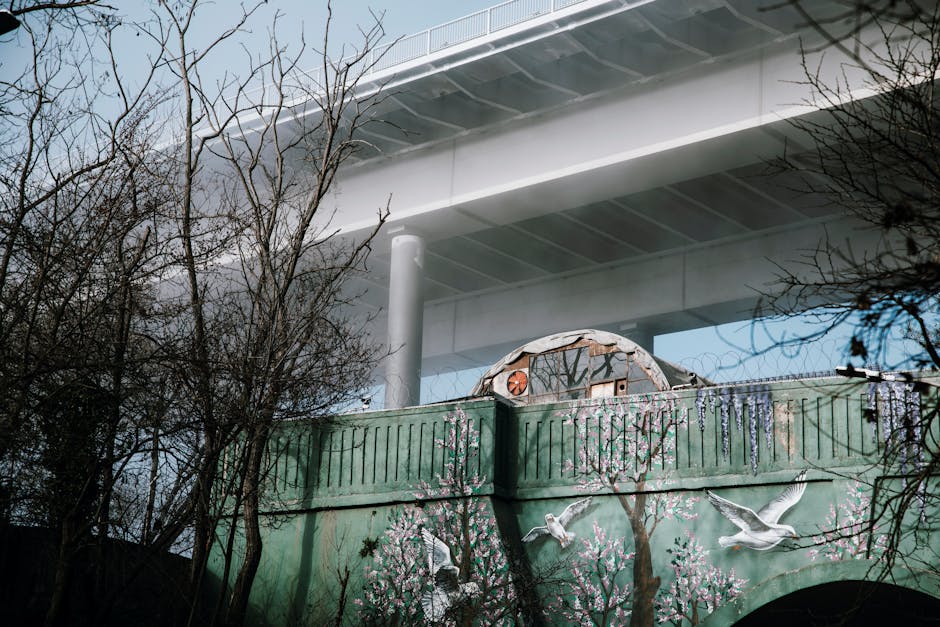
Rubbish removal guide for Blackwall Tunnel residents

If you live near Blackwall Tunnel, you already know how quickly rubbish can become a nuisance. One week it is a broken wardrobe, the next it is builder's bags, garden cuttings, or the remains of a flat clear-out that has quietly taken over the hallway. This Rubbish removal guide for Blackwall Tunnel residents is here to make the process feel less stressful and a lot more manageable. We will walk through how rubbish removal works, what to watch out for, where people usually go wrong, and how to choose the most sensible option for your home, flat, or business.
Blackwall Tunnel residents often deal with tight parking, limited storage, shared entrances, and the usual London problem of "where on earth do I put this until later?". That changes how rubbish removal needs to be planned. The good news? With a clear approach, you can clear space quickly without creating extra hassle for yourself or your neighbours.
Expert summary: The best rubbish removal job is the one that feels almost boring on the day itself: clear access, a proper load plan, realistic sorting, and disposal handled responsibly. Simple, yes. But it saves time, money, and a fair bit of stress.
Why Rubbish removal guide for Blackwall Tunnel residents Matters
Rubbish removal matters more than people sometimes realise, especially in built-up parts of East London where space is already working overtime. Near Blackwall Tunnel, many homes are in flats, terraces, or mixed-use buildings with shared access, narrow streets, and busy traffic patterns. That means rubbish left too long can become a practical problem very quickly.
There is also the everyday reality of London living: deliveries arrive, furniture gets replaced, renovations start with optimism and finish with dust. It happens. When waste piles up, it can affect safety, storage, hygiene, and even how comfortable your home feels. A spare room full of old items is not really a spare room anymore, is it?
For residents, this guide is useful because rubbish removal is not just about "getting rid of stuff". It is about choosing the right method for the type of waste, the amount of waste, and the access constraints of your property. A single sofa, for example, is a very different job from a loft full of mixed household clutter or a building project with rubble and offcuts.
And then there is the neighbour factor. In shared buildings, rubbish that lingers in hallways, stairwells, or communal bins can create tension fast. It only takes one awkward weekend. Sorting it properly and removing it promptly keeps things calmer all round.
Table of Contents
- Why Rubbish removal guide for Blackwall Tunnel residents Matters
- How Rubbish removal guide for Blackwall Tunnel residents Works
- Key Benefits and Practical Advantages
- Who This Is For and When It Makes Sense
- Step-by-Step Guidance
- Expert Tips for Better Results
- Common Mistakes to Avoid
- Tools, Resources and Recommendations
- Law, Compliance, Standards, or Best Practice
- Options, Methods, or Comparison Table
- Case Study or Real-World Example
- Practical Checklist
- Conclusion
- Frequently Asked Questions
How Rubbish removal guide for Blackwall Tunnel residents Works
In practical terms, rubbish removal usually follows a simple pattern: identify what needs to go, separate what can be reused or recycled, decide how much help you need, and arrange disposal through the right route. The details matter, though. Mixed loads, restricted access, and different waste types can change the plan quite a bit.
For example, household junk might include furniture, old appliances, packaging, clothing, and a few forgotten odds and ends. Builder's waste is different again: plasterboard, timber, tiles, broken fixtures, and heavy debris usually need careful handling. Garden waste has its own challenges too, especially after a big clear-up when bags are wet, heavy, and somehow always more numerous than expected.
The process often works best when you think in stages:
- Assess the waste - what is it, how much is there, and is anything hazardous or bulky?
- Separate the items - keep recyclables, reusable goods, and general waste apart where possible.
- Check access - stairs, lifts, parking, loading points, and time restrictions all affect the job.
- Choose the disposal route - self-clearance, council options, or a professional rubbish removal service.
- Plan the handover - the clearer your instructions, the smoother the removal.
People often underestimate how much difference access makes. A first-floor flat with no lift and a narrow front path needs a different approach from a ground-floor property with direct loading. To be fair, that is where many jobs either run beautifully or become a bit of a shuffle.
If you want the broader service picture, it can help to understand general waste removal options as well as specific clearance services like home clearance, flat clearance, and garage clearance.
Key Benefits and Practical Advantages
The biggest benefit is obvious: you get your space back. But there are a few more practical gains that are easy to miss when you are standing in the middle of a cluttered room wondering where to start.
- Less stress: a structured removal plan stops the job from spreading across several weekends.
- Safer rooms and walkways: fewer trip hazards, blocked exits, and unstable piles.
- Better use of space: cupboards, lofts, garages, and spare rooms become usable again.
- Cleaner sorting: recyclable and reusable items can be separated before disposal.
- More suitable disposal for bulky items: large furniture, appliances, and construction waste can be handled properly.
There is also the mental side of it. Anyone who has lived with a half-finished clear-out knows the strange low-level weight it puts on a home. Once the waste is gone, the room often feels quieter. Less chaotic. Oddly enough, even a bare floor can feel like progress.
For bigger jobs, the advantage is time. A professional clearance approach can compress what might otherwise become a long, messy process into a single visit or a short sequence of planned visits. That can be especially useful if you are moving out, renovating, or preparing a property for sale or rental.
If you are comparing options, it may also help to look at specialist services such as furniture clearance and furniture disposal when bulky household items are the main issue.
Who This Is For and When It Makes Sense
This guide is for anyone near Blackwall Tunnel who has rubbish that is too awkward, too bulky, too heavy, or simply too much for normal household bins. That includes flat dwellers, homeowners, landlords, tenants, tradespeople, small business owners, and anyone stuck midway through a clear-out with no tidy endpoint in sight.
It makes sense to arrange proper rubbish removal when:
- you have bulky items that will not fit in standard bins
- you are clearing a flat, house, loft, or garage
- you have bagged waste stacked in a hall, yard, or storage area
- you are renovating and producing mixed construction debris
- you need the space cleared quickly before a move or inspection
- you want the waste handled responsibly rather than pieced together over time
It is especially relevant for flat residents and people with limited access. In those situations, dragging items down stairs or trying to manage repeated trips to a disposal point can become exhausting very quickly. That is where choosing the right method matters more than people expect. Sometimes the best plan is not the cheapest on paper; it is the one that actually fits your building and your timetable.
Businesses also need a sensible routine for waste. Even small offices can build up paper, packaging, broken furniture, or old equipment faster than expected. If that sounds familiar, business waste removal and office clearance can be the cleaner route than trying to juggle everything in-house.
Step-by-Step Guidance
If you want a smoother rubbish removal day, planning beats improvising. Every time. Here is a sensible sequence that works for most residents.
1. Walk through the property and identify everything to remove
Do one full walkthrough. Start at the front door and move room by room. Write down what stays, what goes, and what might need special handling. This is the moment when forgotten items reveal themselves: the broken lamp behind the wardrobe, the bag of odds and ends in the cupboard, the three chairs nobody admitted owning.
2. Group items by type
Try to separate general waste, reusable items, wood, metal, electricals, and garden or builder's waste. You do not need perfection, but a bit of sorting helps. It can reduce confusion on the day and make recycling easier later.
3. Measure the bulky stuff
Check whether sofas, wardrobes, appliances, or mattresses will fit through doors, stairwells, and tight turns. In older properties this matters a lot. It sounds obvious until you are halfway down a narrow landing with a cupboard that will not swivel. Then it is all elbows and mild regret.
4. Clear access paths
Move smaller items, shoes, plant pots, or loose boxes away from hallways and doorways. If the route from room to vehicle is clear, everything goes faster and safer. In shared buildings, it also reduces disruption to neighbours and avoids blocking communal areas.
5. Decide whether you need a specialist service
If the job includes heavy lifting, mixed waste, or time pressure, a dedicated clearance service may be the most practical option. For example, house clearance is better suited to full-property jobs, while loft clearance is ideal when access is awkward and items are dusty, boxed, or forgotten.
6. Confirm pricing and scope
Make sure you know what is included: labour, loading, disposal, recycling, and any extra charges for difficult access or special waste. If you need more detail before booking, use the company's pricing and quotes information so the arrangement is clear from the start.
7. Keep hazardous or restricted items separate
Some items should never be mixed casually with normal rubbish. If you are unsure about batteries, chemicals, paints, or sharp waste, pause and ask. Guessing is not a strategy. Better to separate it first than create a headache later.
Expert Tips for Better Results
In our experience, the best rubbish removal jobs are the ones that are boringly well prepared. Nothing dramatic. Just tidy, decisive, and realistic.
- Label piles before the team arrives: "keep", "donate", "recycle", and "remove" are simple labels that stop confusion.
- Take photos of the load: a few clear pictures help you explain the job accurately if you are requesting a quote.
- Think about timing: if your building gets busy in the morning, an earlier slot may reduce stress and hold-ups.
- Be honest about volume: underestimating the load usually creates delays, and nobody really wants a second round if it can be avoided.
- Check whether furniture can be reused: some items are not rubbish at all, just unwanted. A little judgement can make a big difference.
Another useful tip: if you are clearing a room that has been ignored for a while, open the windows before you begin. Dust, stale air, and the odd forgotten smell can make the job feel heavier than it is. Fresh air helps. So does a flask of tea, truth be told.
If your project includes outdoor waste or post-maintenance debris, consider whether garden clearance or builders waste clearance is the more accurate match. Naming the waste correctly often leads to better handling and fewer surprises.
Common Mistakes to Avoid
Most rubbish removal problems come from rushing, not from the waste itself. A few common mistakes show up again and again.
- Leaving everything until the last minute: the job becomes more stressful and less organised.
- Mixing all waste together: this makes recycling harder and can complicate disposal.
- Ignoring access issues: stairs, parking, and narrow entrances matter more than people think.
- Forgetting hidden waste: cupboards, loft corners, and under-bed storage usually contain more than expected.
- Assuming every item can go in the same load: some waste needs different handling.
- Not checking the provider's scope: scope is everything when the job has awkward items.
A small but common one: people clear the visible room and forget the "small stuff" that sits around the edges. Bits of timber, packaging, bags of screws, old extension leads. It adds up. It always does.
Tools, Resources and Recommendations
You do not need much equipment for a basic clear-out, but a few practical tools make life easier.
- Heavy-duty bin bags: useful for loose household rubbish, soft waste, and smaller clear-out items.
- Strong gloves: helpful for sharp edges, dusty loft items, and general protection.
- Sturdy tape and labels: ideal for marking boxes and separating keep/remove piles.
- Measuring tape: useful for checking furniture dimensions and access routes.
- Cleaning cloths and dust sheets: handy if you are clearing older storage areas or pulling items from under furniture.
For bigger or more complicated jobs, it can help to use service pages as a reference point for what kind of clearance you actually need. For example, a loft with mixed stored items may need a different approach from a single-item pickup. A garage full of household leftovers is another shape of problem altogether. That is where services like garage clearance and home clearance are worth considering.
It is also worth looking at wider service information such as recycling and sustainability if you want to reduce the amount sent to landfill where possible. You do not need to become a recycling fanatic overnight. Just aim to handle waste thoughtfully. That alone puts you ahead of many rushed clear-outs.
Law, Compliance, Standards, or Best Practice
When rubbish is involved, compliance matters. Not because every clear-out is complicated, but because bad disposal can create avoidable risk for residents, neighbours, and the people handling the waste. In the UK, it is generally sensible to use a responsible waste carrier, keep records where needed, and separate waste carefully enough to avoid contamination.
There are also practical safety expectations that should not be brushed aside. Heavy items need proper lifting technique. Sharp waste should be secured. Electrical items need the right route. And if something looks hazardous, it should be treated cautiously rather than bundled into a general pile and hoped for the best. Hope is not a waste plan.
Best practice for Blackwall Tunnel residents usually means:
- using a reputable waste removal provider with clear policies
- checking how waste is handled, loaded, and disposed of
- keeping access routes safe and free from obstruction
- not placing items where they block communal areas or exits
- separating reusable, recyclable, and general waste where possible
If you want reassurance on operational standards, a provider's health and safety policy, insurance and safety information, and terms and conditions are worth reading carefully. They help set expectations before anyone turns up with gloves and a van.
There is also a trust side to this. Good providers tend to be transparent about how they work, what they include, and what happens to the waste after collection. If that transparency is missing, consider it a warning sign. A quiet one, but still a warning sign.
Options, Methods, or Comparison Table
There is no single best way to remove rubbish. The right method depends on volume, access, time, and the type of waste. Here is a straightforward comparison to help you think it through.
| Method | Best for | Pros | Trade-offs |
|---|---|---|---|
| Self-clearance | Small amounts of light waste | Flexible, can be low-cost if you already have transport | Time-consuming, physical effort, multiple trips |
| Council-style disposal arrangements | Basic household waste and scheduled disposal needs | Structured and familiar for many residents | Less flexible for bulky or urgent jobs |
| Professional rubbish removal | Bulky, mixed, or time-sensitive waste | Fast, convenient, less lifting for you | Cost may be higher than doing it yourself |
| Specialist clearance service | Full rooms, flats, lofts, garages, or specific waste types | Better matched to complex jobs | Requires a clearer brief and proper planning |
For many Blackwall Tunnel residents, the sweet spot is somewhere between convenience and control. If the job is small and straightforward, self-clearance may be enough. If the waste is awkward, heavy, or tied to a full property clear-out, a specialist route is usually the calmer option. Nobody wants three car loads and a sore back if one proper visit would have done the trick.
Case Study or Real-World Example
Here is a realistic example. A tenant in a riverside flat near the tunnel needs to move out at short notice. The property contains an old bed frame, a worn sofa, half a loft's worth of cardboard boxes, and several bags of mixed household waste. There is no lift, the stairwell is narrow, and parking is tight enough to test anyone's patience.
Instead of trying to handle everything in bits and pieces, the resident groups items by type, measures the bulky furniture, and clears the hallway before collection day. Reusable items are separated first, then the rest is assessed as a mixed household load. Because access is awkward, a specialist flat and furniture clearance approach is more sensible than a do-it-yourself attempt with repeated trips.
The benefit is not just speed. The resident avoids dragging furniture down stairs, reduces the risk of damage in the communal area, and finishes with a clear property ready for handover. Simple ending, really. But that is often how good rubbish removal works: clear the plan, then let the room breathe again.
That same logic applies to landlords, small offices, and homeowners dealing with a sudden clear-out. The exact items change, but the process stays familiar: sort first, move safely, dispose properly.
Practical Checklist
Use this checklist before collection day. It keeps the job tidy and stops small oversights from becoming annoying delays.
- Walk through every room, cupboard, loft space, and storage area
- Separate keep, donate, recycle, and remove piles
- Measure bulky items and check access routes
- Confirm whether stairs, parking, or loading space will be difficult
- Remove loose items from hallways and communal areas
- Keep sharp, hazardous, or uncertain items separate
- Take photos if you need to explain the load clearly
- Review the service scope, pricing, and timing
- Check whether the job is better matched to furniture, loft, garage, garden, or builders waste clearance
- Make sure someone is available to answer questions on the day
If you get that list mostly right, the day itself tends to be much easier. Not glamorous, maybe, but effective.
Conclusion
Rubbish removal around Blackwall Tunnel does not need to be complicated, but it does need to be planned properly. The mix of flats, busy streets, shared access, and limited space makes a thoughtful approach especially valuable. Once you know what you are dealing with, the right method becomes much easier to choose.
Whether you are clearing one bulky item or an entire property, the key is to match the job to the waste type, the access conditions, and the time you actually have. That is what keeps the process safe, efficient, and less frustrating than it might otherwise be.
And if you are still staring at a room full of items wondering where to begin, start small. One corner, one cupboard, one bag. Progress is progress.
Get a free quote today and see how much you can save.
Frequently Asked Questions
What is the easiest way for Blackwall Tunnel residents to remove bulky rubbish?
For bulky items such as sofas, mattresses, wardrobes, or broken appliances, the easiest route is usually a professional removal service or a specialist clearance option. It saves you from wrestling with stairs, lifts, and awkward corners.
Can I mix household rubbish with furniture and garden waste?
You can physically mix them, but it is not ideal. Separating waste types makes collection smoother and can improve recycling outcomes. It also helps when the waste needs different handling.
How do I know if I need flat clearance or house clearance?
If you are clearing a single flat or apartment, flat clearance is usually the more accurate fit. If the job covers a whole house, multiple rooms, loft space, or garage areas, house clearance is more appropriate.
What should I do with items I am not sure about?
Keep them separate until you know more. If something could be hazardous, sharp, or restricted, do not put it straight into a general waste pile. A cautious pause is better than a messy mistake.
Is rubbish removal different for residents near Blackwall Tunnel because of access?
Yes, access can make a big difference. Narrow streets, parking pressure, stairs, and shared entrances all affect the best way to collect and move waste. Planning around those details is often the difference between a quick job and a frustrating one.
Can old furniture be collected with other waste?
Often, yes, if the provider accepts mixed loads. That said, separating furniture first can make the job cleaner and easier. Furniture-specific services are useful when large items are the main concern.
What is the best option for builder's waste after a renovation?
Builder's waste needs its own approach because it is usually heavy, dusty, and mixed with materials like timber, rubble, or plasterboard. A dedicated builders waste clearance service is usually the sensible choice.
How can I reduce the cost of rubbish removal?
Sort the waste before collection, separate reusable items, clear access routes, and be accurate about the amount to be removed. Clear information tends to lead to a better quote and fewer surprises on the day.
What should I check before booking a rubbish removal service?
Check what is included, how access is handled, whether insurance and safety information is available, and whether the provider's terms are clear. It is also wise to review pricing details and sustainability information.
Can rubbish removal help with an end-of-tenancy move?
Yes, absolutely. It is one of the most common reasons people arrange clearance. If you are moving out, a good rubbish removal plan can make the property easier to hand back and less stressful to leave tidy.
Do I need to sort recycling myself first?
It helps if you do, but it is not always essential. The more you separate recyclables, the better. Still, many people use a professional service when they need help sorting and lifting everything in one go.
What if I only have one or two items to remove?
That still counts. One sofa, one mattress, or one broken fridge can be enough to justify a collection if it is too big or too awkward for normal disposal. Small job, yes. Still important.
If you want to explore related services, you may also find about us, recycling and sustainability, and contact us useful next steps when you are ready to move from planning to action.
Clear the clutter, keep the calm, and give your space a proper reset.