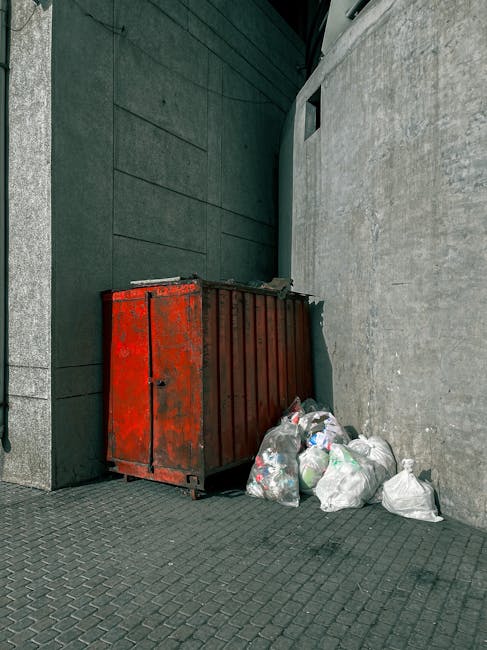
Garden clearance in Blackwall
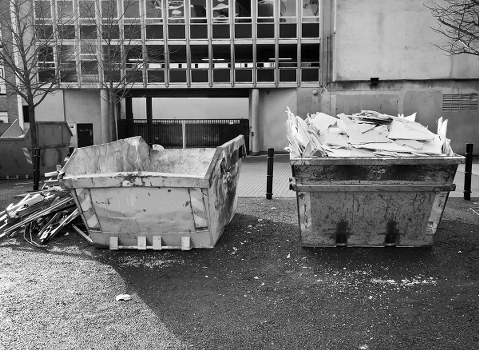
Garden clearance in Blackwall should leave outside spaces ready for the next practical step, whether that means tidying a courtyard, clearing overgrown waste, removing bagged cuttings or dealing with mixed green material after a bigger garden project. We provide a straightforward service focused on clearing unwanted garden waste and separating recyclable material where possible, so the job is handled with care rather than rushed as a catch-all tip run. If you need a tidy, orderly result and a clear plan for removal, this service is built for that purpose.
Our work typically covers common garden waste such as branches, hedge trimmings, grass cuttings, leaves, old plants, soil in manageable amounts, broken outdoor items and general debris left after pruning or seasonal maintenance. We can also deal with mixed loads where the garden has become difficult to use, provided the material is suitable for clearance. For more involved projects, the garden clearance page sets out the service in more detail, while the waste removal page gives a wider view of the disposal work we support.
Because outdoor clearances can range from a single awkward pile to a fuller garden reset, it helps to think about what should stay, what should go and whether there are any heavy or awkward items alongside the organic waste. A concise note about the material is usually enough to begin, and if you already have photos, they can help show access, volume and any mixed items. For jobs involving other household items found in the garden, the furniture disposal page may also be useful if you are arranging several parts of the same clearance.
What our garden clearance service covers
Garden clearance is most effective when the right material is identified from the start. We can usually remove loose green waste, pruned branches, dead plants, bagged cuttings and light garden debris, along with broken pots, worn planters and other outdoor clutter that has built up around the space. When there is a mix of green and non-green material, it helps to separate anything that needs special handling so the collection is organised cleanly and disposed of in the proper stream.
Some customers need a general tidy-up after maintenance, while others are dealing with a garden that has been left untouched for some time. In either case, the aim is to clear what is no longer wanted and leave the space ready for reuse. Where the load includes larger domestic items from outside storage areas, the garage clearance page can be relevant if you are dealing with a combined outbuilding and garden job. For outdoor furniture or worn seating, the furniture clearance page may also help you judge how best to group the work.
Useful preparation is simple: list the main items, note whether anything is heavy or awkward, and say if access is tight, stepped or shared with neighbours. That information helps the collection be planned properly and avoids confusion on the day. If you are comparing possible options or want to understand how prices are usually put together, the pricing and quotes page is a sensible place to start before you ask for a quotation.
Clearing overgrowth, cuttings and mixed outdoor waste
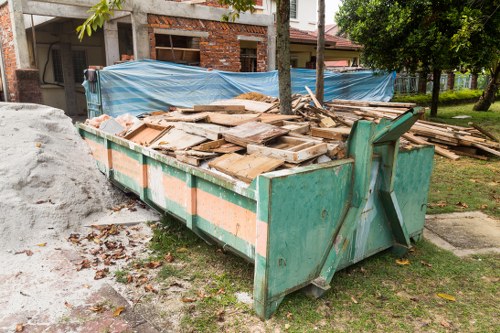
Overgrown gardens often contain several different waste types in one area, which is why a careful sort at the outset matters. Branches, hedge cuttings, clippings and leaf waste are typically straightforward, but tangled growth, brambles and damp vegetation can take more time to handle properly. A well-organised clearance keeps the job efficient and makes it easier to remove material without leaving behind smaller debris that quickly spoils the finish.
When the garden has become hard to use, the objective is not simply to take a few bags away. We look at the overall condition of the space, the volume of waste and whether there are concealed items under the growth that need to be separated. If the load includes garden furniture, timber offcuts or household rubbish placed outdoors, it may be helpful to think of it as a mixed clearance rather than a simple green-waste collection. In those cases, the home clearance page can be useful for understanding broader mixed-item work, even when the main focus remains the garden.
Two practical points usually make the process easier. First, a quick note about access helps us understand whether items need carrying through a side passage, through a shared entrance or from a rear garden with limited room. Second, a short description of the waste helps set the right approach if there are heavy bags, compostable material, or anything sharp or waterlogged among the waste. Good information at the start tends to make the clearance itself more orderly and less disruptive.
Practical disposal for branches, soil and outdoor debris
Disposal matters as much as collection, especially where the garden waste is bulky, damp or mixed with other items. Branches and cuttings can often be consolidated efficiently, while heavier material such as soil, turf or rubble needs more careful handling. The right approach depends on what has been set aside, so the service is built around loading and removing the material in a way that is suitable for the contents rather than treating everything the same way.
For customers with leftover building or landscaping material in the garden, it can help to distinguish between true garden waste and heavier waste from improvement work. If the job includes broken paving, soil from excavation or old hardstanding material, the builders waste clearance page may be a better match for the heavier side of the job. Where the issue is mainly domestic clutter from inside the property as well as the outside area, the house clearance page offers a broader picture of that style of clearance.
Our approach is to keep the process simple for you while remaining careful about what goes into each load. That means material is assessed for suitability, handled in a sensible sequence and removed without unnecessary disruption. If you are uncertain whether a particular item belongs with garden waste or should be treated separately, a short description is usually enough to decide. Clear categorisation is one of the easiest ways to avoid delay and make the quotation more accurate.
When a garden clearance becomes a larger clear-out
Some requests begin as garden work and grow into a fuller clearance once the space is opened up. You may discover old storage boxes, unused tools, broken ornaments or outdoor furniture that no longer serves a purpose. In those situations, it is often more efficient to treat the job as one combined clearance rather than booking several small removals. That can keep the work coherent and reduce the risk of leaving a half-cleared area behind.
If the clear-out includes items stored in a shed, loft or outbuilding, those materials can be grouped sensibly with the garden waste if the access and volume make that practical. For a more structured outbuilding job, the loft clearance page and the office clearance page show how we think about different kinds of cluttered spaces. The exact page you need depends on the setting, but the principle is the same: separate what stays from what goes, then remove the unwanted material in a planned way.
One of the most helpful steps is to decide whether the clearance is purely outdoors or part of a wider property tidy-up. If you only need the outside area cleared, say so directly. If you want the garden dealt with alongside another room or storage area, mention that together. A joined-up description makes it easier to prepare the right amount of work and to keep the result consistent from one space to the next.
How we keep garden clearance organised

An organised clearance starts with understanding the material and how it is positioned. Light cuttings and leaves are different from bulky branches, and both are different again from items such as broken furniture or sacks of mixed waste. The service is built to keep those categories clear so the collection can be done efficiently and the disposal route can be chosen appropriately. That structure helps when the garden contains several waste types rather than one neat pile.
We also take access into account. Narrow side paths, steps, shared entrances and awkward rear access can all affect how a clearance is completed, so it is useful to mention these points before the job is arranged. If you are preparing a quotation request, a brief description and a few photographs usually give enough information to estimate the likely approach. This is especially useful where the garden has hidden corners or where waste has spread across more than one level.
The final result should feel practical, not overcomplicated. Whether you need the remains of pruning collected, an overgrown corner cleared or several mixed items removed from an outdoor area, the work should be planned around the actual site conditions. If you want a clear route into a broader property clearance, the business waste removal page may be relevant for non-domestic waste, though garden jobs remain our core focus here. Tell us what needs removing and we can keep the process focused on that task.
Materials, limits and sensible sorting
Not every outdoor item belongs in the same load, and sensible sorting helps keep the clearance practical. Organic material such as leaves, twigs and hedge trimmings is usually straightforward, but contaminated, wet or compacted waste can need extra handling. Soil, rubble and heavy garden spoil can also change the scale of the work because they are denser than loose green waste. Explaining these differences early allows the clearance to be planned more accurately.
There are also limits to what should be mixed into a garden clearance. Hazardous materials, chemicals, sharp concealed items and anything that needs specialist treatment should be identified separately so they can be handled properly. If the job includes broken appliances, electrical items or other household waste discovered outdoors, those items should be mentioned on their own. The aim is not to make the request complicated; it is to make sure the material is treated correctly and nothing important is overlooked.
For customers who want to understand what happens to the waste after collection, our recycling and sustainability page gives a general overview of how we think about reuse and disposal choices. If you would like to know how payment is handled or what to expect around the quotation stage, the payment and security page may also be helpful. Before you request a quote, it is sensible to separate reusable items from waste if that can be done safely.
About Blackwall
Blackwall sits on the north bank of the River Thames in the east of London, close to the river crossings and docklands that shaped the area’s development. Its history is closely linked to maritime trade, shipbuilding and the working river, and the place name is widely understood to refer to the former Blackwall Point, a notable bend on the Thames. The neighbourhood’s riverside setting gives it a strong sense of industrial heritage, yet it is also part of a modern residential and transport landscape that has changed considerably over time. The Blackwall Tunnel, opened in the late nineteenth century, remains one of the most recognisable pieces of infrastructure associated with the area and continues to connect the north and south sides of the river. Nearby streets and developments reflect the layered history of east London, where former docklands, wharves and warehouses have given way in many places to housing, business space and transport routes. Even with that change, the river still shapes how the district is understood: the views, the embankment edges and the relationship to the Isle of Dogs all give Blackwall a distinct identity within the wider borough of Tower Hamlets. It is a place where the past is still visible in the street pattern and the riverside geography, while the present is marked by ongoing regeneration and the steady movement of people along the Thames corridor.
Choosing the right clearance for the job
Garden waste is only one part of the wider clearance picture, so the right service depends on what is actually present. A neat pile of prunings may be simple, but a mixture of garden debris, broken outdoor items and old storage can need a more flexible approach. Thinking about the contents before you enquire helps avoid over-specifying the job or underestimating it. In many cases, a single clear description is enough to establish the right scope.
If you are dealing with a garden that has collected several kinds of unwanted material over time, it may help to note which pieces are loose, which are bagged and which are heavy or fixed in place. The same applies if some material is indoors and some outdoors: the clearer the breakdown, the easier it is to organise the work. For clients who want a narrower domestic service, the flat clearance page and the furniture clearance page show related types of removal that can sit alongside a garden job when needed.
There is no need to overprepare; just give enough detail to make the request accurate. If the waste includes green material only, say so. If there are mixed items, mention the mix. If access is difficult, say that too. A good enquiry is concise, practical and specific, which makes it easier to give a sensible quotation and schedule the work properly.
Requesting a quotation for garden clearance

When you are ready to ask for a price, the most useful information is straightforward: what needs removing, roughly how much there is, how it is stored or piled, and whether there are any access issues. If possible, photographs make it easier to judge the scope, especially where waste is spread across several areas or hidden behind planting and storage. That information helps shape a quotation that reflects the actual work rather than a guess. A brief note about timing is useful too, particularly if the clearance needs to fit around other garden work.
For a more complete view of related terms and service details, the terms and conditions page provides general information, while the about us page gives a broader sense of the company’s public information. If you are trying to compare how different jobs are structured, the quotation process is usually the best place to start because it reflects the specific material, access and handling needs of your own garden rather than a generic example. Ask for a quotation once you know what should be removed and what can remain in place.
To move forward, it is enough to send a clear description and say that you want garden clearance in Blackwall. If there are multiple types of waste, mention them in one message so everything can be assessed together. You can also use the contact us page when you are ready to request a quotation or discuss the scope of the clearance.
Why a tidy outdoor space is easier to use

A cleared garden is easier to access, easier to maintain and easier to plan around, whether the space is used for planting, relaxing or simply keeping outdoor storage under control. The practical value of the work is in removing the things that block movement or make the area awkward to use. That can mean anything from a single heap of cuttings to a more involved collection of mixed waste left after several seasons of build-up. The result should be a space that feels workable again rather than temporarily rearranged.
For some customers, the main concern is appearance; for others, it is simply the ability to reach the corners, paths and storage areas without stepping around waste. Either way, the clearance itself should be organised so it deals with the actual condition of the site rather than only the most visible material. If there are also indoor items to remove, the relevant clearance pages can be checked separately, but the principle stays the same: identify the unwanted material and remove it in a sensible, orderly way. That keeps the work efficient and the final result easier to live with.
When you want the job arranged, the simplest next step is to send the details and request a quotation. If your garden contains a mixed load or a slightly unusual combination of items, mention that from the start so the work can be planned accurately. We are ready to help with the clearance itself, and the best time to begin is when you have decided what should stay and what should go.